AI, Digital Marketing, SEO
Is SEO dead now that AI answers the question?

The short version
- No. SEO is not dead. The part that was always a bit of a game (stuffing keywords, chasing a position for its own sake) is dying, and good riddance.
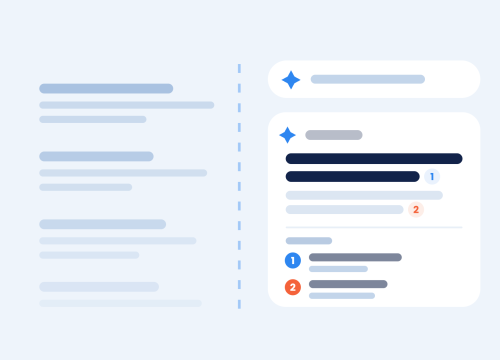
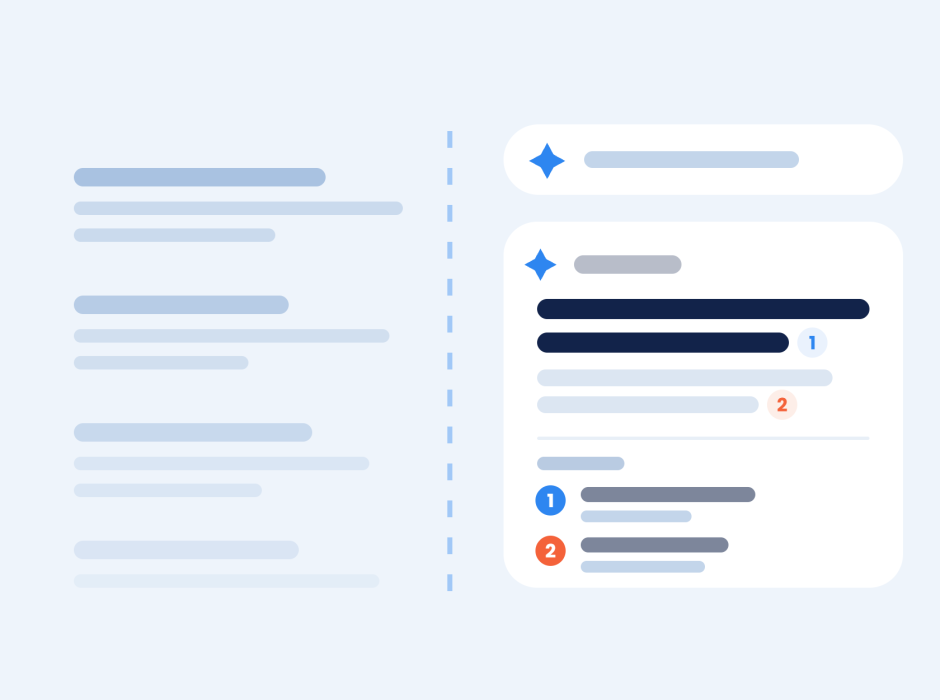
- Search has split in two. Some people still type a query and scan a list. A growing number ask an assistant and get one answer back with a couple of sources attached.
- Being one of those sources is a different job from ranking first, but it is built on the same work: clear structure, a direct answer near the top, proper markup, and business details that match everywhere.
- The clicks you do get from AI search are fewer and better. People arrive already informed and already half-convinced.
- You can now measure it. Not perfectly, but a dated record of where you appear beats a guess.
- iSonic builds all of this into every SEO retainer, and now tracks how clients show up across the major AI assistants.
Is SEO dead now with AI?
Short answer: no, and the people saying it usually sell something that replaces it. 🙄
At iSonic we have heard the question in client meetings all year, usually right after someone has been quoted for a shiny new AI package. So here is the answer we give across the table.
What has died is a particular kind of SEO. The kind where a page exists to hold a keyword, where the first three paragraphs are warm-up, and where “ranking” was the goal rather than the means. AI assistants are brutal with that content because they can generate it themselves in a second. Nobody needs your 600-word explanation of what a plumber does.
What has not died is the thing SEO was always supposed to be about: being the clearest, most trustworthy answer to a real question. That has become more valuable, not less, because AI assistants need sources. When ChatGPT, Gemini or Google’s AI Overview gives someone an answer, it is drawing on pages it can read, trust and quote. Those pages are chosen by signals that will look very familiar to anyone who has done honest search engine optimisation for the last decade.
Here is the odd part. Google itself is now asking the question for you. Pull up a Brisbane search for SEO services and, among the questions Google says people also ask, sits “Is SEO dead now with AI?”. We saw it there on 17 September 2026. The search engine is nervous about its own future and it is showing.
What is SEO called now with AI?
It has collected some new names. They describe the same discipline with a second reader in mind.
| Term | What it means | What it is really asking you to do |
|---|---|---|
| SEO (search engine optimisation) | Ranking in a list of results on Google or Bing | Be relevant, be crawlable, be linked to, be good |
| AEO (answer engine optimisation) | Being the source a direct answer is lifted from: featured snippets, voice results, AI Overviews | Answer the question plainly, early, in a structure a machine can extract |
| GEO (generative engine optimisation) | Being the source a generative assistant summarises and cites | Have real depth, real expertise and fresh, trustworthy content worth drawing on |
| LLMO (large language model optimisation) | Shaping how the models themselves understand and describe a business: who it is, what it does, where | Be consistent about your own identity everywhere a model might read it |
| AI search optimisation (ASO) | The umbrella term for all of the above as it applies to ChatGPT, Gemini, Claude, Perplexity and Google’s AI features | All of it, at once |
The honest reading of that table: it is one job with a few audiences. Google’s crawler, Google’s answer box, the model that has quietly formed an opinion about your business, and the assistant someone is chatting to at 9pm about who to call for their bathroom renovation. Every technique that helps one helps the others. That is why iSonic folds AI search optimisation, or ASO, into every SEO retainer at no extra cost rather than selling it as a separate line item, and it is also why anyone charging you extra for “GEO” deserves a raised eyebrow.
One shift underneath all the acronyms is worth naming plainly, because it changes what good content looks like. Search used to be about clicks: rank, get clicked, convert. It is becoming about citations: be the source the answer draws on, whether or not anyone clicks. You may get less raw traffic from AI surfaces, but the people who do arrive have already read about you and already half-trust you. Being cited and remembered is the new first page.
How does AI search decide who gets mentioned?
Think about how a recommendation actually happens at a barbecue. 🤝
Someone says they need a builder. Your mate does not read out the Yellow Pages. He names one, maybe two, and says why: “Dave did our deck, turned up when he said he would, and his quote was the quote.” That is an AI answer. One or two names, a reason attached, and the rest of the market invisible.
Now ask how your mate knew about Dave. Dave was findable. Dave had a reputation that checked out. Dave’s details (his name, his number, what he actually does) were the same everywhere your mate looked. Nothing about Dave made your mate hesitate. That is the whole of AI search optimisation, and here is what it looks like on a website:
- A direct answer near the top. Pages that answer the question in the first paragraph get quoted. Pages that build up to it get skipped.
- Headings shaped like real questions. People ask assistants in sentences, not keywords. Your headings should read the way the question is asked.
- Schema markup, done properly. Structured data is the machine-readable version of your business: who you are, what you sell, where you operate, what your FAQs say. It removes the guesswork, and assistants reward pages that leave nothing to guess.
- Business details that match everywhere. Your name, address, phone number and description on your site, your Google Business Profile and the directories have to agree. Where they disagree, assistants get cautious and leave you out. The same discipline runs through local SEO and starts with your Google Business Profile.
- Presence on the sources assistants actually read. When iSonic asked ChatGPT to recommend Brisbane agencies, every source it cited was a directory, not an agency’s own website. Part of this work happens off your site, in the places these tools trust.
- A site that lets them in. Plenty of websites quietly block AI crawlers because a security plugin or hosting setting decided to. That should be a decision, not an accident, and a technical SEO audit is where it gets found.
None of that is exotic. It is what a well-built, well-maintained website has always needed. The difference is that the penalty for skipping it used to be a lower ranking. Now it is not being in the answer at all.
Two more things iSonic has learned doing this for clients. First, the questions that trigger a cited source are the long, specific ones, roughly six words or more, because a complex answer needs somewhere to come from. A page that owns “how much does a bathroom renovation cost in Brisbane” gets cited; a page chasing “bathroom renovation” does not. Second, authority cannot be claimed into existence. Assistants weigh where else you are mentioned, so a business that shows up consistently across its own site, its Google profile, the directories and a few honest reviews reads as real in a way a single beautiful website never will.
Can ChatGPT do your SEO?
Partly, and the honest split matters. ⚡
What it is genuinely good at: research and first drafts, which is exactly how iSonic uses it. Brainstorming the questions your customers ask. Suggesting headings. Tidying a paragraph. Summarising a competitor’s page so you can see what they cover. Used that way, it saves hours.
What it cannot do: fix the structure of your site, correct your Google Business Profile, reconcile your details across forty directories, decide which pages should exist and which should be merged, or know what a Redlands tradie searches for on a Tuesday night. It also cannot take responsibility when it is confidently wrong, which it is more often than its tone suggests.
There is a sharper problem too. Generic AI-written copy is precisely what AI search is learning to discount. If your page says what every other page says, in the way a language model would say it, you have given the assistant no reason to choose you. Original insight, first-hand experience, a real point of view: those are the things that get cited, and they do not come out of a prompt. The same warning applied when people first started using ChatGPT to write their website, and it applies double now. It is the same trap that catches people choosing AI website builders over a team: fast to produce, easy to ignore.
Is SEO still worth it in 2026?
For most Brisbane businesses, yes, and for a reason that is easy to miss when you are staring at a traffic graph.
Yes, some searches now end without a click. The assistant answers, the person moves on. That is real and it is not going back, and iSonic would rather say so than pretend the traffic graphs of 2019 are coming back. But look at who still clicks. Someone who has read an AI summary, seen your name attached to it, and then clicks through is not browsing. They are checking you out before they call. Those are the visitors that turn into enquiries, and there are more of them, not fewer, when your business is the one the answer names.
Local searches are the clearest case. Ask an assistant who to call and it will still hand you a shortlist of businesses with locations, reviews and phone numbers, because it has to. Somebody has to actually turn up and fix the tap. Being on that shortlist is what SEO for a Brisbane business has always been about. The shortlist just got shorter, which makes the places on it worth more.
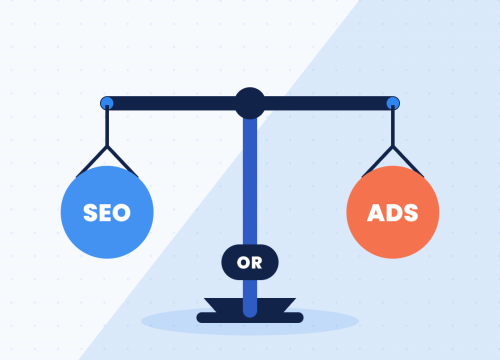
It also stops being only about Google. People now decide across a spread of places: Google, an AI assistant, Reddit, YouTube, a review site. iSonic’s rule is to show up where your customers are actually making the decision, not only where the rank tracker looks. Then there is the quiet one: brand memory. Even when someone does not click, your name showing up inside the answer they trusted does something. They have seen you before. When they finally search for you by name, or a friend mentions you, you are not a stranger. That is worth having and it is very hard to buy. If you are weighing where the budget goes, SEO or Google Ads is the fairer comparison than SEO or nothing.
What should a Brisbane business do this quarter?
Six things, none of them mysterious. Do them in order. 🏗️
- Put the answer first on every important page. Read your top pages and ask: does the first paragraph answer the question someone actually typed? If it opens with “Welcome to”, it does not.
- Rewrite headings as the questions people ask. Not “Our Services” but “What does a bathroom renovation cost in Brisbane?” This is the single cheapest change on the list.
- Check your business details match everywhere. Site footer, contact page, Google Business Profile, Facebook, the directories you forgot you were on. One wrong postcode is enough to make an assistant hesitate.
- Add the structured data. Business, services, locations, FAQs. If you do not know whether your site has it, it probably does not, or it has the plugin default that says nothing useful.
- Answer real questions in a real FAQ. The questions your customers ask you on the phone are the questions assistants are being asked. Answer them plainly, name your business in the answer, and mark the block up so machines can read it.
- Find out what is blocking the crawlers. Then decide, on purpose, who is allowed in.
If you would rather have the list done than do the list, that is what iSonic’s AI search optimisation inside every SEO retainer is for. It is not a product on top. It is how the work gets done now. And if you are choosing who to trust with it, the same questions apply as always when choosing an SEO agency, plus one more: ask them to show you how they check whether it is working.
How do you know if it is working?
This used to be the honest weak spot, and it has changed. 🌱
Ordinary SEO has always been measurable: rankings, traffic, enquiries. AI search was harder, because answers change from person to person, day to day, and with the exact wording of the question. Anyone showing you a single “AI visibility score” a year ago was showing you a guess.
What is possible now is a record rather than a score. iSonic monitors how a business shows up across ChatGPT, Google’s AI Overviews, Gemini, Claude and Perplexity: which questions surface it, how it is described, and who gets cited instead. Run that on a schedule and you have a dated trail of where you stand and whether it is moving, sitting alongside the rankings and enquiries you already track. It will not tell you that you appear in every answer, because nobody controls that, and a classic rank report cannot see any of it: an AI Overview is assembled from many small searches, so a keyword position often does not exist to track. It will tell you the truth about the ones that matter.
Everything above also makes you rank better in ordinary search, which we can measure to the position. So none of it is a bet on the future. You are paying for good SEO that happens to be built the way AI systems prefer to read. The free SEO audit is the quickest way to see where your site sits on all of it today, and if you want to know what the ongoing work costs, we have written plainly about what SEO costs in Brisbane and why it is never billed by the hour. If the way people phrase questions has changed, so has search intent, and that is worth a read once you have finished this one.
Frequently asked questions
Is SEO dead now with AI?
No. At iSonic we would say the lazy version of SEO is dead, and the honest version has never mattered more. AI assistants need sources they can read, trust and quote, and they choose those sources using signals very close to the ones Google has always used. A well-structured page with a direct answer, proper schema and consistent business details ranks better and gets cited more.
Can ChatGPT do SEO?
It can help with research and first drafts, and at iSonic we use it for exactly that. It cannot fix your site’s structure, correct your Google Business Profile, reconcile your details across the web or take responsibility when it is confidently wrong. Generic AI-written copy is also what AI search is learning to discount, so a page that sounds like a language model gives the assistant no reason to choose you.
What is SEO called now with AI?
The new names are AEO (answer engine optimisation), GEO (generative engine optimisation) and AI search optimisation. At iSonic we treat them as one job with a second kind of reader: the same clear structure, direct answers, schema markup and consistent business information that make a page rank also make it quotable by an assistant. That is why we include AI search optimisation in every SEO retainer rather than selling it separately.
Is SEO still worth it in 2026?
For most Brisbane businesses, yes. At iSonic we see fewer but better clicks from AI search: people who arrive have already read a summary, seen the business named in it, and are checking it out before they call. Local searches in particular still end in a shortlist of real businesses with locations and phone numbers, and being on that shortlist is what SEO has always been for.
Does iSonic optimise for AI search?
Yes, iSonic includes AI search optimisation in every SEO retainer at no extra cost. In practice that means structuring pages so an assistant can read and quote them, marking the business up properly with schema, keeping details consistent across the web, checking that AI crawlers are allowed in, and making sure the business appears on the third-party sources these tools tend to cite.
Can you guarantee my business will appear in AI answers?
No guarantee, and iSonic will not pretend otherwise. Nobody controls what an AI assistant says, and answers vary between users and change over time. What we can do is optimise the site properly, track how the business actually appears across ChatGPT, Google’s AI Overviews, Gemini, Claude and Perplexity, and give you a real, dated record rather than a promise.
Let’s have a chat
If you have been told SEO is dead by someone selling the replacement, the iSonic team would love to show you what is actually happening on your site. Take a look at our recent work, then call us on 1300 924 356 or talk to the team for a free, no-pressure look at where you stand in ordinary search and in the answers. Stop guessing. Start showing up. 👋

Get industry insights for your business growth.
Sign up for all the latest updates from our iSonic team including news and industry updates.
Recent Articles