Digital Marketing, SEO
Understanding Search Intent in SEO


The short version
- Search intent is the why behind a search: what the person actually wants.
- There are four types: informational, commercial, transactional and navigational.
- Google ranks the page that best matches the intent, not the page with the most keywords.
- AI assistants care even more, because they answer the question behind the search directly.
- iSonic maps every target keyword to an intent before a page is written or rebuilt.
You have probably heard marketers talk about search intent, but what does it actually mean for your SEO? 🤔
Understanding search intent is one of the most powerful (and most overlooked) ways to improve your website’s visibility, the quality of your traffic and your conversions. Whether you are a Brisbane business or an ecommerce store competing nationally, knowing why people search is the key to showing up when it counts. At iSonic it is the first thing we look at in any SEO campaign.
What is search intent?
Search intent, also called user intent, is the reason behind a search. It is what someone is really trying to find when they type a query into Google or ask an AI assistant.
A simple example:
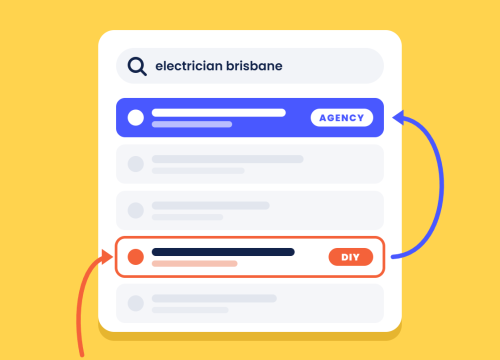
- Someone searching “web design Brisbane” is probably looking for a company to build their website. That is a transactional search.
- Someone searching “what makes a good website design” wants to learn. That is an informational search.
Both are valuable, but they signal completely different goals. Think of it like walking into a hardware store: someone asking “how do I fix a leaking tap?” wants advice, someone asking “where are the tap washers?” wants to buy. Google works out which one each searcher is, and only shows the pages that fit.
What are the four types of search intent?
| Intent | What the searcher wants | Example searches | Best page type |
|---|---|---|---|
| Informational | To learn or research | “how to improve SEO”, “what is search intent” | Guides, articles, FAQs |
| Commercial | To compare options | “best SEO agency Brisbane”, “SEO vs Google Ads” | Comparisons, case studies, service pages |
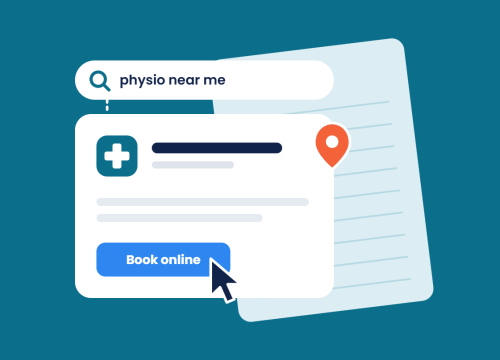
| Transactional | To take action now | “SEO services Brisbane”, “book website audit” | Service pages, quote and booking pages |
| Navigational | To reach a specific site | “iSonic Digital”, “Google Analytics login” | Homepage, login and brand pages |
Each type sits at a different point in your marketing funnel: informational searches at the top, transactional and navigational closer to the sale.
Why does search intent matter for SEO?
Search intent is how Google makes sure people get the most relevant results. If your page does not answer the intent behind a search, it will not rank, however well written it is. Match the intent and you will:
- Attract qualified leads. People ready to act, not just traffic.
- Keep visitors on the page. They found what they came for.
- Convert more of them. You meet people at the right stage of their journey.
- Build trust. With Google and with your audience.
For Brisbane businesses, that alignment is often the difference between showing up for the right customers and getting buried under competitors.
How does search intent work in AI answers?
AI assistants such as ChatGPT and Google’s AI Overviews take intent a step further: instead of listing pages, they answer the question behind the search directly and cite the sources they trust. Pages that state the answer clearly near the top, then back it up, are the ones that get quoted. iSonic writes answer-first content for exactly that reason, and it helps your Google rankings at the same time.
How does iSonic optimise SEO around search intent?
At iSonic we do not just chase keywords. We build SEO strategies around how people actually behave:
- Keyword research and mapping. We find what your audience is searching for and map each keyword to an intent and a page.
- Content strategy. From articles to landing pages, we write content that satisfies both Google and the person searching.
- Conversion-focused design. Once visitors arrive, your design and calls to action move them to the next step.
- Ongoing optimisation. Intent shifts over time, so we track, adapt and keep your rankings strong.
FAQs
What is search intent in SEO?
Search intent is the reason behind a search: what the person actually wants to find or do. iSonic uses it to decide which kind of page should target each keyword, because Google ranks the pages that best match that reason, not just the words.
What are the four types of search intent?
Informational (learning), commercial (comparing options), transactional (ready to act) and navigational (looking for a specific brand or site). iSonic maps every target keyword to one of the four before we write or rebuild a page.
How do I find the search intent of a keyword?
Search it and look at what already ranks. If the top results are guides, the intent is informational; if they are service pages or shops, it is commercial or transactional. iSonic checks the live results for every keyword rather than guessing.
Does search intent matter for AI search?
Yes, arguably more. AI assistants answer the question behind a search directly, so they favour pages that answer it clearly and early. iSonic writes answer-first content for exactly that reason.
Can one page target more than one search intent?
Usually not well. A page that tries to teach and sell at the same time tends to do neither. iSonic generally recommends one clear intent per page, with internal links that move people to the next step.
Bring intent (and results) back into your SEO
If your SEO strategy is not built around search intent, you are leaving opportunities on the table. iSonic helps Brisbane businesses build SEO that reaches the right audience, not just anyone searching.
🔍 Ready to turn intent into impact? Talk to iSonic about your SEO.

Get industry insights for your business growth.
Sign up for all the latest updates from our iSonic team including news and industry updates.
Recent Articles