Custom Development, Digital Marketing, SEO, Web Design
Healthcare marketing: how to win new patients online (without breaking the rules)

The short version 👇
- Healthcare marketing works best as one joined-up system: a website that makes booking easy, search visibility so patients find you, and advertising that fills the gaps.
- Most new patients check you online before they book, even when a friend or GP referred them. Your website is your first waiting room.
- For most practices the biggest wins are unglamorous: online booking on every page, a page for every service, a complete Google Business Profile, and a site that loads fast on a phone.
- Portals and custom apps earn their keep when they save staff time or serve referrers and multi-site teams. They are not a must-have for every clinic.
- Health businesses play by extra rules: the AHPRA advertising guidelines limit testimonials, titles and offers, and the Privacy Act applies to health information whatever your size.
- Measure bookings, not visits.
If you run a GP clinic, a dental or physio practice, a psychology service, an allied health business or a home care provider, you already know word of mouth is not enough on its own. Patients search, compare, read reviews and look at your website before they pick up the phone. Here is everything that sits between that search and a booked appointment, from the iSonic team that builds websites, runs SEO and advertising, and develops custom portals for businesses across Brisbane and South-East Queensland.
Where do new patients actually come from?
Mostly from a search, and almost always via a quick check of your website. 🔍
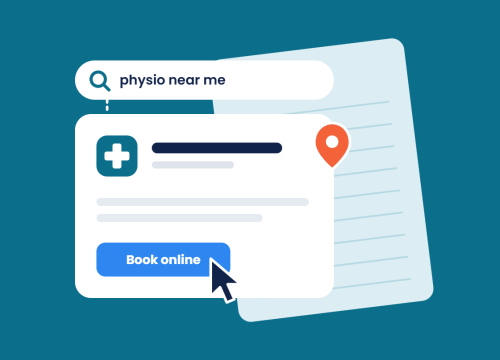
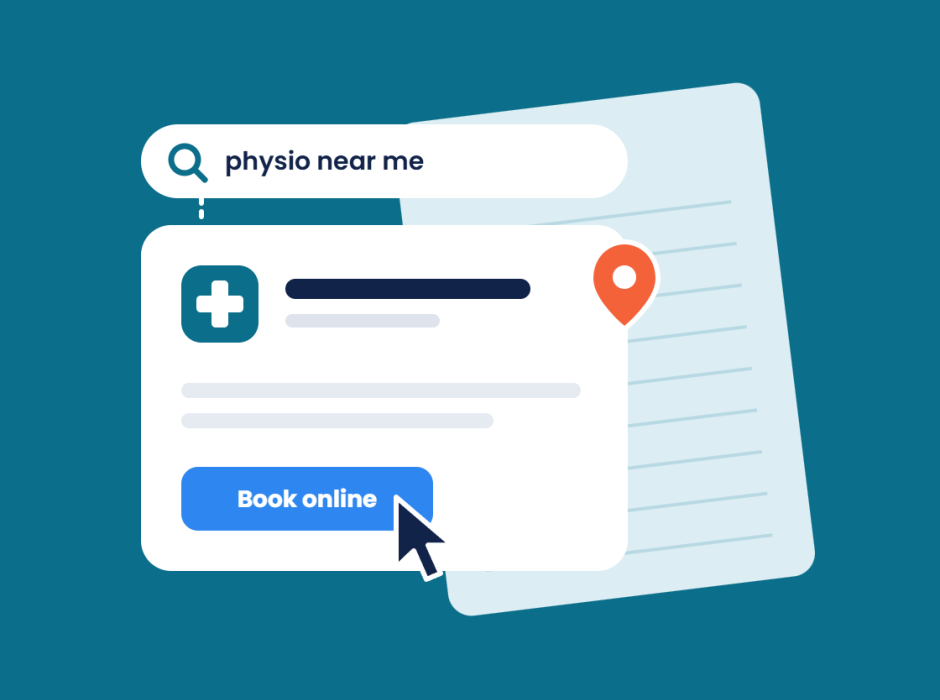
The path usually looks like this: someone searches for a service near them (“physio near me”, “skin check Capalaba”, “child psychologist Brisbane”), sees a handful of practices in the map results, opens two or three websites, and books with the one that makes it easiest to trust them and easiest to book. Referrals follow the same path. A GP tells someone to see a physio, and the patient still searches the name to check the reviews, the location and whether they can book online tonight.
That is why iSonic treats healthcare marketing as one system rather than separate services. Search gets you seen, the website gets you chosen, and the booking step gets you the appointment. A weak link anywhere loses the patient, and usually to the practice down the road.
Your website is your first waiting room
Think about what your physical waiting room says about you: clean, calm, easy to find, someone at the desk who knows what they are doing. Your website is the waiting room patients walk through before they ever reach the building, and most of them decide whether to come in from there. 🪑
A healthcare website that books patients usually has:
- Booking on every page. A clear “Book online” button that connects to your practice’s booking system, plus a phone number patients can tap. If booking takes more than a couple of taps, people leave.
- A page for every service. One page per treatment or service, explaining what it is, who it helps and what to expect, in plain language. One “Services” page listing everything helps nobody find you.
- Practitioner profiles. Real photos, qualifications, interests and languages spoken. People choose a person, not a logo.
- Fees and what to expect. Clear pricing information, including the total price where you publish one, plus what to bring, how long it takes and whether there is parking.
- Speed and accessibility. Fast on a phone and easy to read for every patient, including older patients and people using screen readers.
- Trust signals that stay within the rules. Credentials, memberships and real photos of your team and rooms, rather than glowing testimonials (more on that below).
This is the kind of healthcare website iSonic builds: the same web design in Brisbane approach we bring to every business, with the booking path planned first and the design built around it.
SEO for health practices: being found when patients search
Search engine optimisation for a health business is mostly local, and mostly about being specific. 📍
- Google Business Profile. For local searches, the map results above the ordinary listings are decided by your profile, not your website. Google Business Profile optimisation (the right categories, accurate hours, real photos, regular updates) is the fastest local win most practices have.
- Service pages that answer real questions. Patients search for conditions and treatments as much as for practices. A page that clearly explains a service ranks for far more searches than a homepage ever will.
- Real location pages for multi-site practices. One page per clinic, each genuinely about that clinic: its team, its hours, its parking, its map. Copying one page and swapping the suburb does not work.
- Content held to a higher standard. Google treats health content with extra care, and it rewards pages written or reviewed by qualified people with clear credentials. Claims on the page also have to meet the advertising rules.
- Details that match everywhere. Practice name, address, phone and hours should be identical on your website, profile and directories.
iSonic’s local SEO work for health businesses starts with exactly these five. For a franchise or a multi-site group, the same principles scale. Right at Home, a home care franchise iSonic has worked with, is a good example: its case study records more than 70% of targeted keywords ranking first on Google within five months of ongoing SEO.
Portals, apps and custom tools: when are they worth it?
Sometimes a website needs to do more than inform and book. 💻
Custom portals and apps make sense in healthcare when they save staff hours every week or serve a group the public site cannot. The common ones:
- Staff training and onboarding. A learning portal so every new carer or clinician gets the same induction.
- Referrer and professional portals. Resources, education and ordering for GPs, vets, specialists or other referrers, behind a login.
- Recruitment platforms. For growing practices and care providers that are always hiring.
- Intake and forms. Structured online forms that reach the right person instead of a shared inbox.
These are not hypotheticals. For Right at Home, iSonic built a bespoke website with an eLearning platform, a team portal and recruitment tools, alongside Google Ads and Google Business Profile management for every Australian franchise. For Dermcare, an Australian animal skin-care company, we built learning portals for vets and vet nurses, with separate user groups so each sees the content meant for them.
When are they not worth it? When your practice management or booking software already does the job. iSonic’s advice is to use what your existing systems do well and build custom portals and apps only for the gap they leave.
One thing to plan for from day one: privacy. Under the Privacy Act, health service providers are covered regardless of their turnover, health information counts as sensitive information, and a data breach involving it can trigger mandatory notification. Any portal or form that collects health information needs to be built, hosted and maintained with that in mind, which is why website security is part of the conversation on every health project iSonic takes on. The OAIC’s guidance for health service providers is the place to check your obligations.
Google Ads and social media for health practices
Paid advertising suits health practices well when it reaches people at the moment they look for care: “emergency dentist”, “physio near me”, “bulk billing GP”. 🎯 It needs more care than most industries, because three sets of rules apply at once.
- The advertising guidelines (below) apply to ad copy and to the page the ad lands on.
- Google’s own healthcare and medicines policy restricts some products and services and requires certification for others.
- Meta’s advertising standards do not allow ads that assert or imply someone’s personal attributes, including health conditions, so “Struggling with back pain?” is the kind of copy that gets rejected.
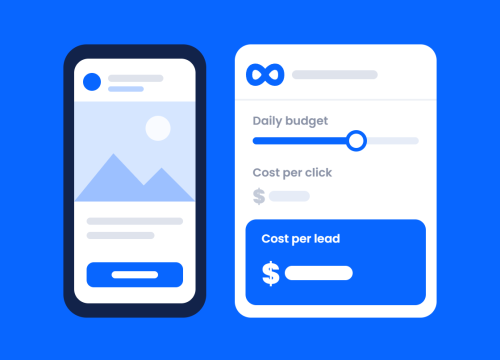
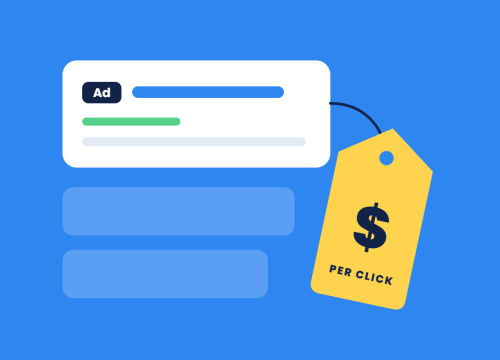
Done well, search ads fill appointment gaps quickly while SEO builds, and social ads work for awareness of a new clinic, service or practitioner. What a click costs varies a lot by service and suburb, so work out what Google Ads costs from what a new patient is worth before you set a budget. iSonic writes health ads and Meta ads with all three sets of rules in mind.
The AHPRA advertising guidelines: what health practices can and can’t say
Advertising a regulated health service in Australia comes with rules most businesses never face, and they apply to your website, ads, social media and Google Business Profile alike. They come from the National Law and the AHPRA advertising guidelines (in effect since 14 December 2020), and they apply to registered practitioners, unregistered people and the businesses that own practices. If an agency writes your marketing, you are still responsible for checking it. 🚩
The short list. Advertising must not:
- Be false, misleading or deceptive, including by leaving out risks or making comparisons without evidence.
- Make claims you cannot back up with acceptable evidence.
- Use testimonials about clinical aspects: comments about symptoms, diagnosis, treatment or outcomes, including comments on a practitioner’s skill.
- Offer gifts, discounts or inducements without clear, easy-to-find terms and conditions.
- Create an unreasonable expectation of benefit, which is where before-and-after photos and patient stories often go wrong.
- Encourage unnecessary use of a service.
- Misuse protected titles. Only practitioners with specialist registration can call themselves a specialist; “specialises in” is discouraged for those without it.
Pricing must be clear and include the total price, not just the first appointment.
The rule most practices trip on: testimonials versus reviews. Comments about customer service or communication style (“friendly reception, always on time”) are not testimonials and can be used. Comments about clinical outcomes (“my back pain was gone after two sessions”) cannot be used in advertising, however true they are. If reviews appear on your own website or social pages, including through a widget, you are responsible for them, and AHPRA’s guidance warns that editing or cherry-picking reviews can itself be misleading. Reviews on platforms you do not control are not yours to remove, and replying to them needs care: never confirm someone is a patient and never mention their treatment.
That is the opposite of the “show off your five-star reviews” advice most businesses get, and it is why iSonic plans the trust signals on a health website differently from the start. For the full detail, AHPRA’s guidance on advertising a regulated health service is the source to check, and your indemnity insurer can help with a specific question.
Multi-clinic groups and franchises
Health businesses with several locations have every challenge above, multiplied. 🏥
Each clinic needs its own location page, its own Google Business Profile and its own booking path, while head office keeps the brand, the advertising rules and patient privacy consistent everywhere. The answer is the same one we recommend for any franchise website: one brand site with real location pages, templates local teams can update without being able to break, and reporting that shows head office how each location is performing. iSonic has managed Google Ads and Google Business Profiles across multiple franchise networks, so this is ground we know well.
What should you measure?
Bookings, not visits. 📊 A website that doubles its traffic and books the same number of patients has not improved.
The numbers worth watching:
- New patient bookings and calls, by where they came from: search, maps, ads, social, referral.
- Cost per new patient for any paid channel, compared with what a new patient is worth over time.
- Booking completion. How many people who start booking online actually finish.
- Rankings and map visibility for the services and suburbs that matter most to you.
One technical trap: many booking systems run on their own domain, which can break tracking between your website and the booking. Setting that up properly is part of how iSonic builds and reports on health websites, so you can see which marketing actually fills appointments.
Frequently asked questions
How do I get more patients to my practice?
Make it easy to find you, easy to trust you and easy to book. iSonic usually starts health practices with a complete Google Business Profile, a page for each service, online booking on every page and a website that loads fast on a phone. Paid search can fill gaps quickly while SEO builds over the following months.
What should a healthcare website include?
Online booking on every page, a tappable phone number, a page for each service, practitioner profiles with real photos and qualifications, clear fees, and location, parking and accessibility information. iSonic also builds health websites so the trust signals stay within the advertising rules, which means credentials and real photos rather than clinical testimonials. Speed on a phone matters more than almost any design choice.
Can health practices use Google reviews in their marketing?
Only reviews that make no clinical claims, published complete and unedited. Under the AHPRA advertising guidelines, testimonials about symptoms, treatment or outcomes cannot be used in advertising, and that includes reviews shown on your own website through a widget. iSonic usually recommends linking to your Google profile rather than embedding reviews on a health website.
Does my clinic need an app or a patient portal?
Usually not, if your practice management and booking software already handles bookings, reminders and patient forms. iSonic recommends custom portals or apps when they solve a gap those systems leave, such as staff training, referrer resources or recruitment for a growing group. Any portal that collects health information has to be built with the Privacy Act in mind.
Is SEO worth it for a medical or allied health practice?
For most practices, yes, because patients search for services and practitioners near them every day, and good rankings keep bringing in bookings without paying for every click. iSonic focuses health SEO on the Google Business Profile, service pages and genuine location pages, which is where most local health searches are won. Results usually build over three to six months.
Does iSonic work with healthcare businesses?
Yes. iSonic builds websites, runs SEO, Google Ads and Meta ads, and develops custom portals and apps for health and care businesses, including Right at Home’s national home care network. Everything is planned around the advertising guidelines and patient privacy from the start, and every quote is custom, free and no-obligation. Everything here is general information, not legal advice.
Let’s talk
Healthcare marketing is mostly about being easy to find, easy to trust and easy to book, and the rules push you in that direction anyway. If your practice is ready for more of the right patients, start with a free website audit, call iSonic on 1300 924 356, or get in touch with our team.

Get industry insights for your business growth.
Sign up for all the latest updates from our iSonic team including news and industry updates.
Recent Articles